Across the global quadball community, many NGBs face a similar challenge: how to sustain growth beyond competition and build strong, lasting communities.
To address this, the IQA has launched Back to the Hoops, a pilot initiative designed to help NGBs rebuild, reactivate, and grow through a more balanced and sustainable model.
At the center of this approach is a simple but powerful idea: quadball cannot grow without its community.
Peru was selected as the first pilot of this program. What followed has been a process of reflection, restructuring, and tangible change.
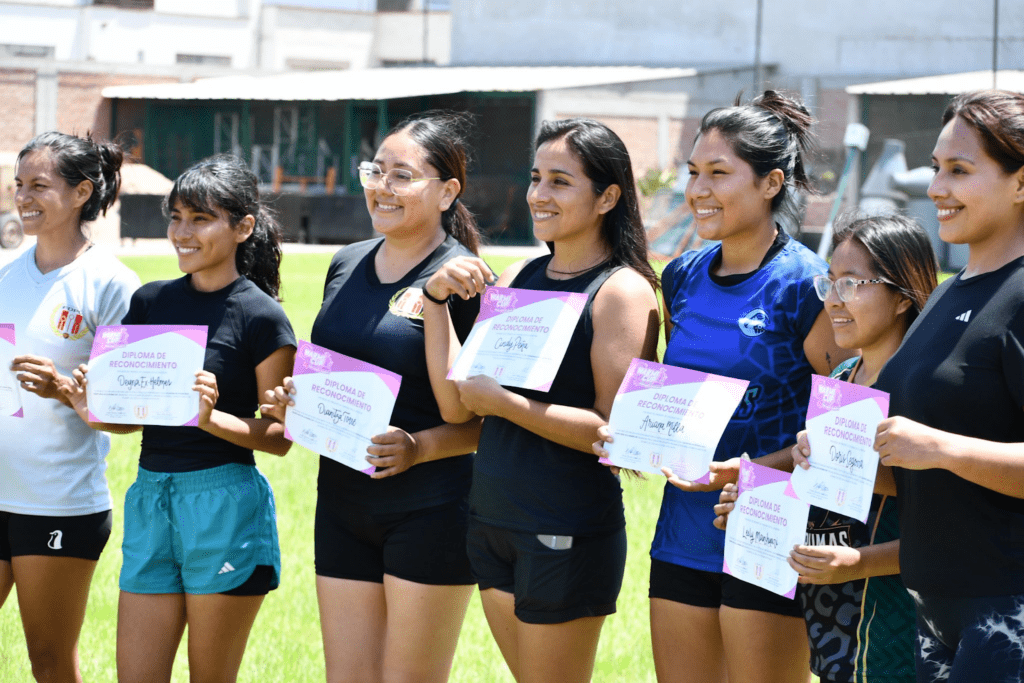
Rethinking how quadball grows
When the process began, December 2025, the Peruvian federation was already undergoing internal changes. Taking on the pilot meant not only continuing that transformation, but deepening it.
“We received this opportunity with enthusiasm, but also with a strong sense of responsibility,” the NGB explains. “It meant rethinking fundamental aspects of how we understood the federation, its structure, and its future.”
One of the key realizations was the need to rebalance priorities.
“At that point, development had been strongly oriented toward competition. While that was important, it also meant that community involvement was starting to fall behind.”
This shift in perspective became central to the process.
“The challenge was not to replace one model with another, but to integrate both. Sustainable growth depends not only on competition, but on the strength of the community behind it.”
From concept to structure
One of the core elements of Back to the Hoops is the creation of two coordinated areas: Competition and Community.
For Peru, implementing this structure required both organizational and cultural change.
“More than creating separate areas, we began to understand how they complement each other. Competition needs a strong community to sustain itself, and the community finds motivation and projection through competition.”
This shift quickly translated into concrete actions.
Peru reintroduced open practices as an accessible entry point for new players, while also reorganizing responsibilities within its team to better support both development areas.
At the same time, a key structural decision was made: redesigning the membership system.
“We understood that if we wanted to make quadball more accessible, we needed to rethink how people join and engage with the federation.”
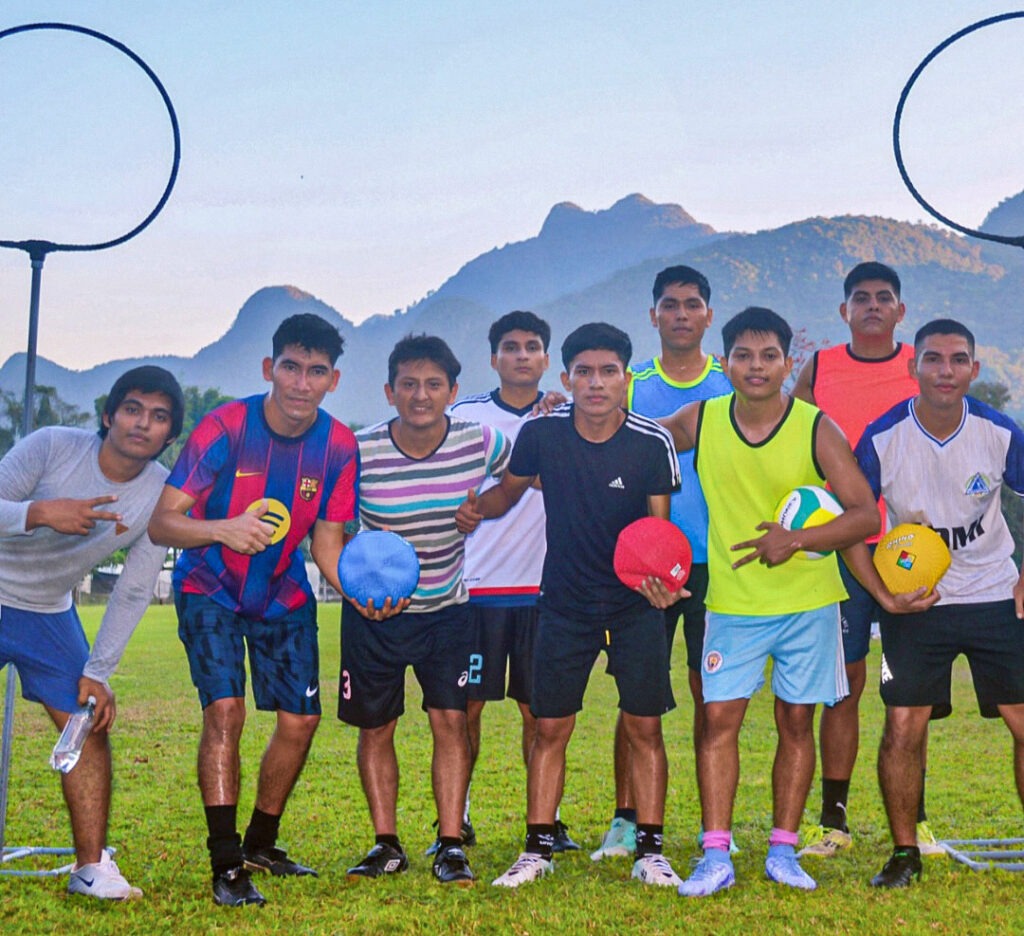
This led to the creation of a recreational membership model—one of the most significant changes in the process.
“This model allows new players to join progressively, without the immediate pressure of competition. It creates space to learn, connect, and stay involved in a way that fits different profiles.”
Activating the community
As the new structure began to take shape, its impact quickly became visible.
Peru moved from isolated activities to a more organized and sustained approach, including annual planning, regular open practices, and stronger coordination with local partners.
Among the most relevant developments has been the strengthening of regional connections.
“We’ve built a closer relationship with local initiatives, including a league in Pucallpa. While they operate independently, we’ve supported their development and created pathways for future integration.”
At the same time, new forms of participation have emerged.
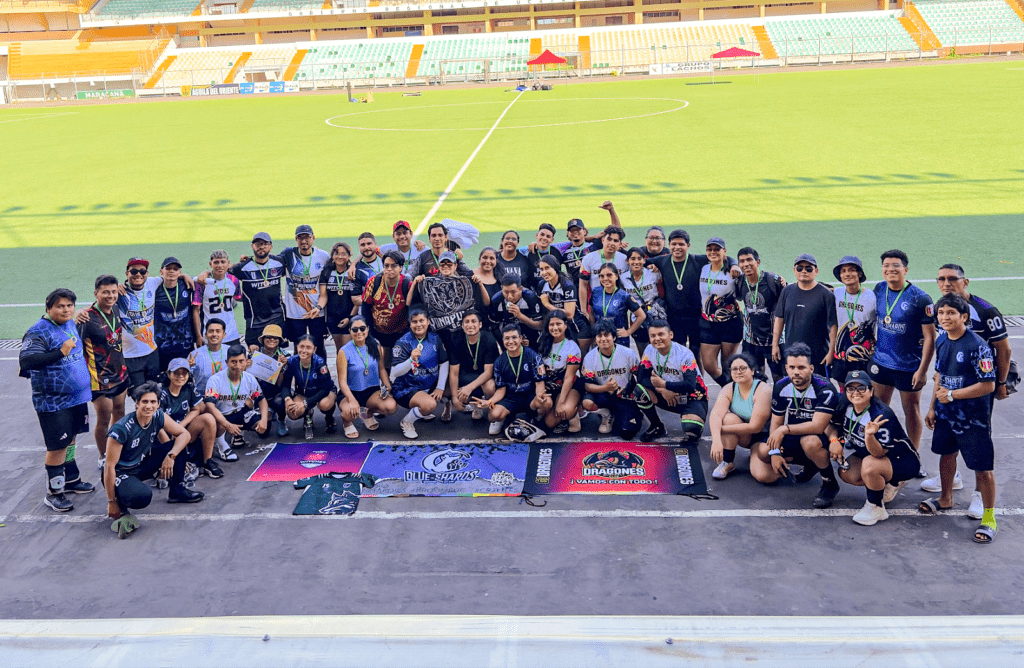
“In Lima, we now have three clubs—two competitive and one recreational, which reflects this new model in practice.”
This diversification is not only expanding participation, but also improving retention.
“People are no longer forced into a single path. They can stay connected to the sport in different ways, and that has made a big difference.”
Building sustainable growth
Beyond specific actions, the most important change has been structural.
“What we’re seeing now is continuity. People are not just joining, they are staying, because the system allows them to grow at their own pace.”
This shift marks a transition from reactive development to a more intentional and sustainable model.
“If this process continues, quadball in Peru will stop depending on isolated efforts and begin functioning as a stable system.”
Looking ahead, the NGB envisions a more balanced ecosystem, where regions grow with their own dynamics while remaining connected under a shared structure.
But perhaps the most valuable lesson is one that extends beyond Peru.
“You don’t need to do everything perfectly from the start. What matters is being open to change, adapting the process to your reality, and trusting the path you are building.”
Back to the Hoops is more than a pilot program, it represents a shift in how quadball growth is understood.
By strengthening communities, creating accessible pathways, and supporting NGBs in building their own structures, the initiative lays the foundation for a more sustainable future.
In Peru, that future is already in motion.
To learn more about the Back to the Hoops pilot program, you can access the full document here